


Shoulder replacement surgery can dramatically improve comfort and mobility, allowing patients to regain the activities that once felt out of reach. Still, many wonder how life will look after recovery; what they can safely resume, how soon, and what to expect along the way. Here’s what returning to sports, hobbies, and daily routines typically involves after shoulder replacement.
Rebuilding Strength and Mobility After Shoulder Replacement
Recovery begins with gradual, structured rehabilitation. In the early weeks, therapy focuses on gentle motion to protect healing tissues and prevent stiffness. As mobility improves, strengthening exercises are introduced to support the new joint, enhance stability, and restore functional power. Consistency is essential; each stage builds a foundation for confident, comfortable movement long-term.
Resuming Daily Activities With Confidence
As the shoulder heals, everyday tasks become easier. Simple actions, such as reaching into cabinets, grooming, and light household chores, usually return first. More demanding movements, such as lifting heavier objects or performing repetitive motions, come later as strength develops. Patients who follow their rehabilitation plan often notice steady improvements, allowing them to navigate daily life with greater ease and efficiency.
Enjoying Hobbies After Shoulder Replacement
Hobbies play an important role in physical and emotional well-being, and many people look forward to returning to the activities they love. Whether it’s cooking, gardening, painting, woodworking, or playing an instrument, most hobbies can be resumed with thoughtful pacing. Modifying repetitive or overhead motions early on helps prevent irritation, allowing comfort and stamina to improve over time. As mobility increases, patients often find they can enjoy these activities more fully than before surgery.
Returning to Sports Safely and Effectively
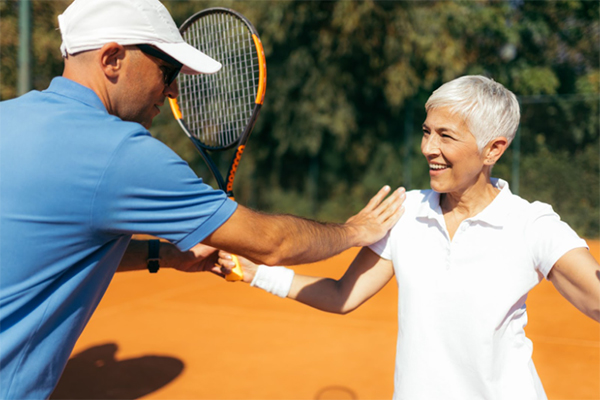
With guidance, most individuals can return to their recreational sports after shoulder replacement. Low-impact activities such as swimming, cycling, golf, Pilates, and yoga are commonly reintroduced first, once mobility and strength are stable. Higher-impact or overhead sports, like tennis, pickleball, or weight training, are dependent on the progression of healing and surgeon clearance. Restoring proper shoulder mechanics is key to protecting the implant while performing high-intensity athletic movements.
Supporting Long-Term Shoulder Health
After a successful recovery, maintaining shoulder health requires ongoing awareness. Regular strengthening, good posture, careful lifting technique, and avoiding repetitive strain help protect the joint. Periodic follow-up appointments allow you to monitor implant longevity and ensure you’re moving safely as activity levels increase. These habits play a vital role in promoting long-term function and overall comfort.
When to Seek Professional Guidance
If progress stalls, discomfort increases, or uncertainty arises about returning to specific activities, seeking expert care can provide clarity. An orthopedic surgeon specializing in upper extremity surgery can evaluate your shoulder, adjust your rehabilitation plan, or offer activity-specific recommendations. For tailored guidance on returning to the lifestyle you enjoy, book an appointment with Dr. Henry-Shrouder, a qualified shoulder specialist.
Life after shoulder replacement can be active, rewarding, and aligned with the routines and passions that matter most. With dedicated rehabilitation, thoughtful progression, and professional support, many individuals regain the confidence and capability to fully engage in sports, hobbies, and daily activities once again.
AUTHOR: Jason Shrouder-Henry, MD, MBA is a Board Certified and fellowship-trained orthopedic surgeon specializing in the hand, wrist, elbow and shoulder throughout Chicagoland.